
Best Treatment In Knee Osteoarthritis
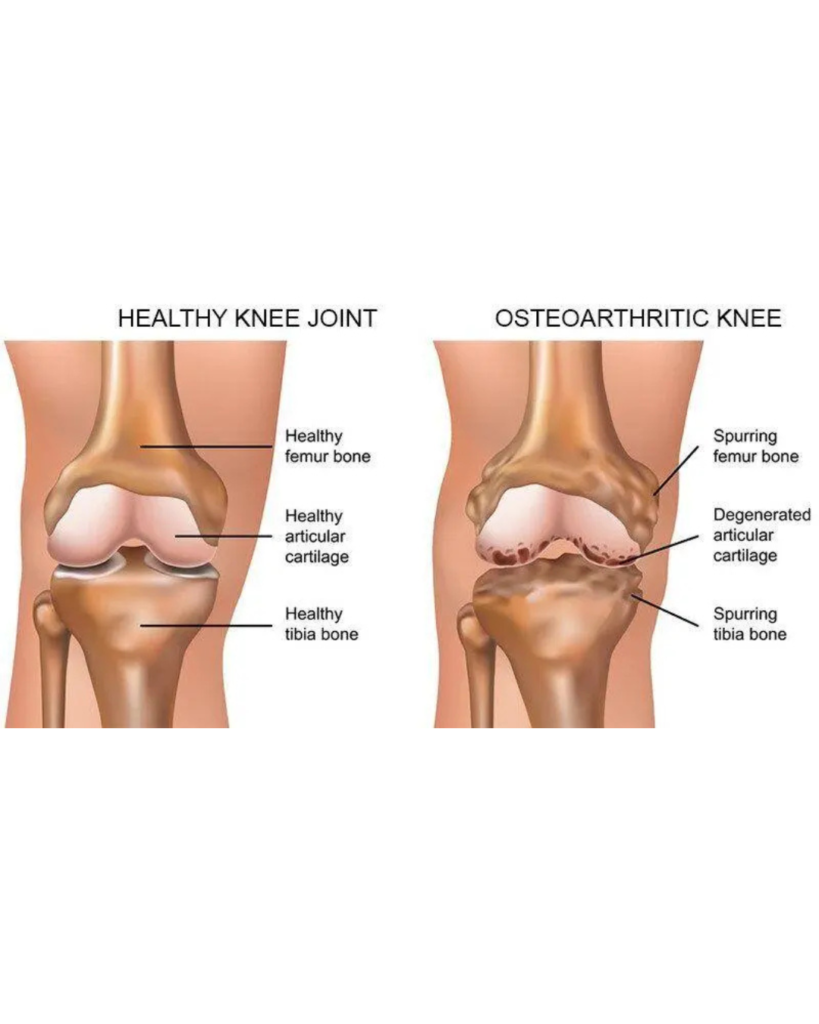
Knee osteoarthritis (KOA) is a chronic, progressive, degenerative joint disorder characterized by gradual loss of articular cartilage, changes in subchondral bone, formation of osteophytes, synovial inflammation, and varying degrees of pain and functional limitation. It is one of the most common causes of disability among middle‑aged and elderly individuals worldwide. The knee joint, being a major weight‑bearing joint, is particularly vulnerable to degenerative changes due to aging, mechanical stress, obesity, trauma, and altered biomechanics. Knee osteoarthritis significantly affects quality of life by limiting mobility, independence, and participation in daily activities.
Definition
Knee osteoarthritis is defined as a degenerative disease of the knee joint in which there is progressive deterioration of articular cartilage, accompanied by remodeling of bone, narrowing of joint space, osteophyte formation, and inflammation of surrounding tissues, leading to pain, stiffness, and reduced function.
Anatomy of the Knee Joint (Brief Overview)
The knee joint is a synovial hinge joint formed by three bones:
- Femur (thigh bone)
- Tibia (leg bone)
- Patella (kneecap)
Articular cartilage covers the ends of the femur and tibia, allowing smooth, pain‑free movement. Menisci act as shock absorbers and help distribute load. Ligaments (ACL, PCL, MCL, LCL) provide stability, while muscles such as quadriceps and hamstrings support movement and alignment. In osteoarthritis, these structures are gradually affected.
Etiology (Causes)
Knee osteoarthritis is multifactorial. The major causes include:
- Aging – With increasing age, cartilage loses its ability to repair and withstand stress.
- Obesity – Excess body weight increases mechanical load on the knee joint, accelerating cartilage wear.
- Genetic Factors – Family history can predispose individuals to osteoarthritis.
- Previous Injury or Trauma – Fractures, ligament injuries, or meniscal tears increase risk.
- Repetitive Stress – Occupations or activities involving squatting, kneeling, or heavy lifting.
- Muscle Weakness – Weak quadriceps lead to poor joint stability.
- Malalignment – Genu varum (bow legs) or genu valgum (knock knees) alter load distribution.
- Metabolic Disorders – Diabetes and hormonal changes may contribute.
Pathophysiology
The pathological process of knee osteoarthritis develops gradually:
- Cartilage Degeneration: Articular cartilage becomes soft, thinned, and eventually worn away.
- Joint Space Narrowing: Loss of cartilage leads to reduced joint space on X‑ray.
- Subchondral Bone Changes: Increased bone density (sclerosis) and microfractures occur.
- Osteophyte Formation: Bony outgrowths develop at joint margins.
- Synovial Inflammation: Mild synovitis causes swelling and pain.
- Muscle Inhibition: Pain leads to quadriceps weakness, worsening joint instability.
These changes collectively result in pain, stiffness, deformity, and reduced function.
Risk Factors
- Increasing age
- Female gender (especially post‑menopausal)
- Obesity
- Sedentary lifestyle
- Knee injury or surgery
- Poor posture and alignment
- Occupational strain
Clinical Features (Symptoms)
Patients with knee osteoarthritis commonly present with:
- Pain – Gradual onset, worsens with activity and relieved by rest.
- Morning Stiffness – Usually lasts less than 30 minutes.
- Crepitus – Crackling or grinding sensation during movement.
- Swelling – Due to synovial inflammation or effusion.
- Reduced Range of Motion – Difficulty in full flexion or extension.
- Deformity – Bowing of legs in advanced stages.
- Functional Limitation – Difficulty in walking, climbing stairs, squatting, or sitting cross‑legged.
- Muscle Weakness – Especially quadriceps wasting.
Aims and Goals of Physiotherapy in Knee Osteoarthritis
The main objectives of physiotherapy management include:
- Reduction of pain and inflammation
- Improvement of joint range of motion
- Strengthening of muscles around the knee joint
- Improvement of balance and proprioception
- Correction of gait abnormalities
- Prevention of deformities
- Enhancement of functional ability and quality of life
- Education and self-management
Physiotherapy Assessment
A detailed assessment is essential before planning treatment.
Subjective Assessment
- History of pain (onset, duration, aggravating and relieving factors)
- Morning stiffness duration
- Functional difficulties (walking, stairs, sitting, standing)
- Occupational and lifestyle habits
- Previous injury or surgery
Objective Assessment
- Observation: swelling, deformity, muscle wasting
- Palpation: tenderness, warmth, effusion
- Range of motion (active and passive)
- Muscle strength testing (quadriceps, hamstrings)
- Gait analysis
- Functional tests (sit-to-stand, stair climbing)
Physiotherapy Treatment Modalities
Physiotherapy management includes a combination of pain-relieving modalities, exercise therapy, manual therapy, and patient education.
1. Pain Relief Modalities
Pain relief is the initial focus in acute and painful stages.
- Hot Therapy (Moist Heat Packs): Reduces pain and muscle spasm, improves blood circulation.
- Cryotherapy (Cold Packs): Used in acute inflammation to reduce swelling and pain.
- TENS (Transcutaneous Electrical Nerve Stimulation): Helps in pain modulation by stimulating sensory nerves.
- Ultrasound Therapy: Improves tissue healing, reduces pain and stiffness.
- IFT (Interferential Therapy): Used for deep pain relief and muscle relaxation.
2. Exercise Therapy
Exercise therapy is the most important component of physiotherapy for knee osteoarthritis.
a) Isometric Exercises
Used when joint movement is painful.
- Quadriceps setting
- Hamstring isometrics
Benefits: Maintains muscle strength without joint movement.
b) Range of Motion Exercises
- Knee flexion and extension exercises
- Heel slides
- Assisted knee bending
Benefits: Prevents stiffness and improves mobility.
c) Strengthening Exercises
Strengthening surrounding muscles reduces joint load.
- Quadriceps strengthening:
- Straight leg raises
- Short arc quads
- Hamstring strengthening
- Hip abductor and adductor strengthening
Progression should be gradual with resistance bands or weights.
d) Closed Kinetic Chain Exercises
- Mini squats (within pain-free range)
- Step-ups
- Sit-to-stand exercises
These exercises improve functional strength and joint stability.
3. Stretching Exercises
Stretching reduces muscle tightness and improves flexibility.
- Hamstring stretch
- Quadriceps stretch
- Calf muscle stretch
Stretching should be gentle and pain-free.
4. Aerobic Conditioning
Low-impact aerobic exercises improve endurance and cardiovascular fitness without overloading the knee joint.
- Walking on even surfaces
- Stationary cycling
- Swimming or aquatic therapy
Aquatic therapy is especially beneficial as buoyancy reduces joint stress.
5. Manual Therapy
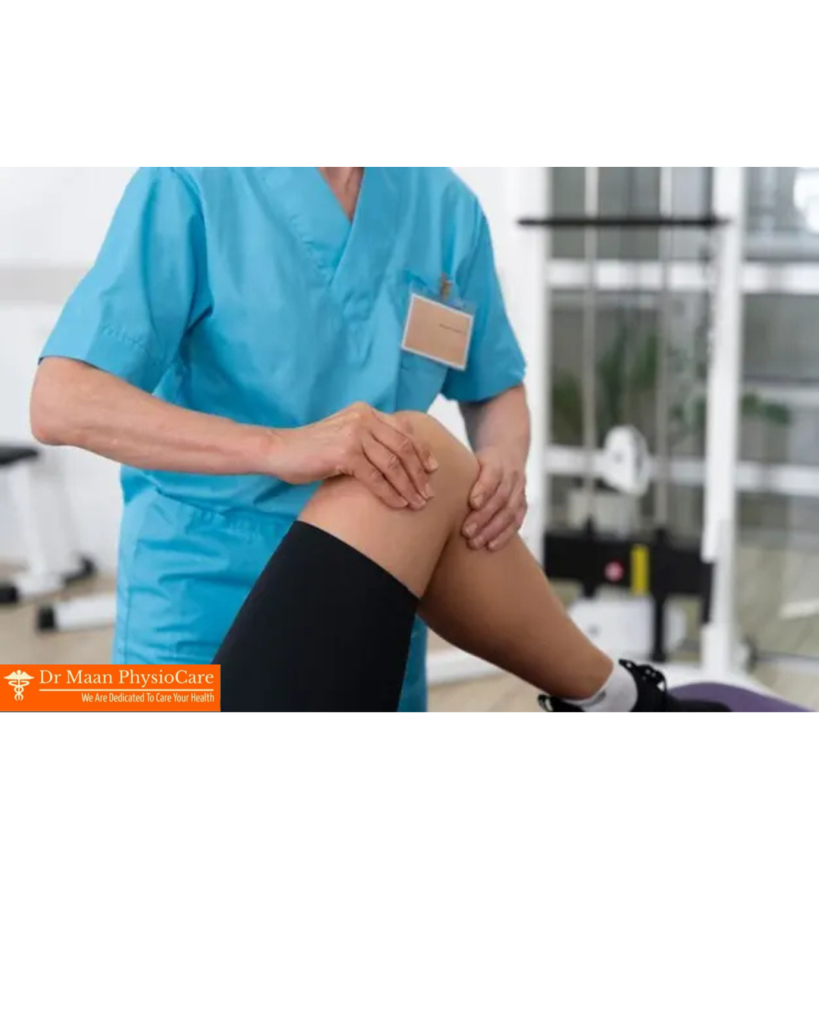
Manual therapy techniques help reduce pain and improve joint mobility.
- Joint mobilization (Maitland grades I–II for pain relief)
- Soft tissue mobilization
- Patellar mobilization
6. Balance and Proprioception Training
Balance training is essential, especially in elderly patients.
- Single-leg standing
- Balance board exercises
- Functional reach exercises
These exercises reduce the risk of falls and improve joint control.
7. Gait Training and Assistive Devices
- Correction of abnormal gait patterns
- Use of walking aids such as a cane (held in the opposite hand)
- Knee braces or supports for stability
8. Postural Correction and Biomechanical Advice
- Correction of faulty posture
- Advice on proper sitting and standing techniques
- Avoidance of prolonged squatting and kneeling
9. Weight Management and Lifestyle Modification
Excess body weight increases stress on the knee joint.
- Weight reduction advice
- Dietary counseling (in collaboration with healthcare professionals)
- Encouragement of active lifestyle
10. Home Exercise Program
Patients should be educated about continuing exercises at home.
- Simple strengthening and stretching exercises
- Regular walking or cycling
- Importance of consistency

Leave a Reply