
Paralysis Treatment and Stroke Recovery with Physiotherapy
Introduction
Paralysis and stroke are life-changing conditions that affect movement, strength, balance, and daily activities. One of the most effective and essential treatments for both conditions is physiotherapy rehabilitation. Early and regular physiotherapy treatment for paralysis and stroke recovery helps patients regain mobility, improve independence, and enhance quality of life.
This blog explains paralysis causes, stroke recovery process, physiotherapy treatment methods, exercises, precautions, and recovery expectations.
Understanding Paralysis and Stroke
What is Paralysis?
Paralysis is the loss of muscle movement in part or all of the body due to damage to the brain, spinal cord, or nerves. It may be:
- Hemiplegia (one side of the body)
- Paraplegia (lower body)
- Quadriplegia (all four limbs)
What is Stroke?
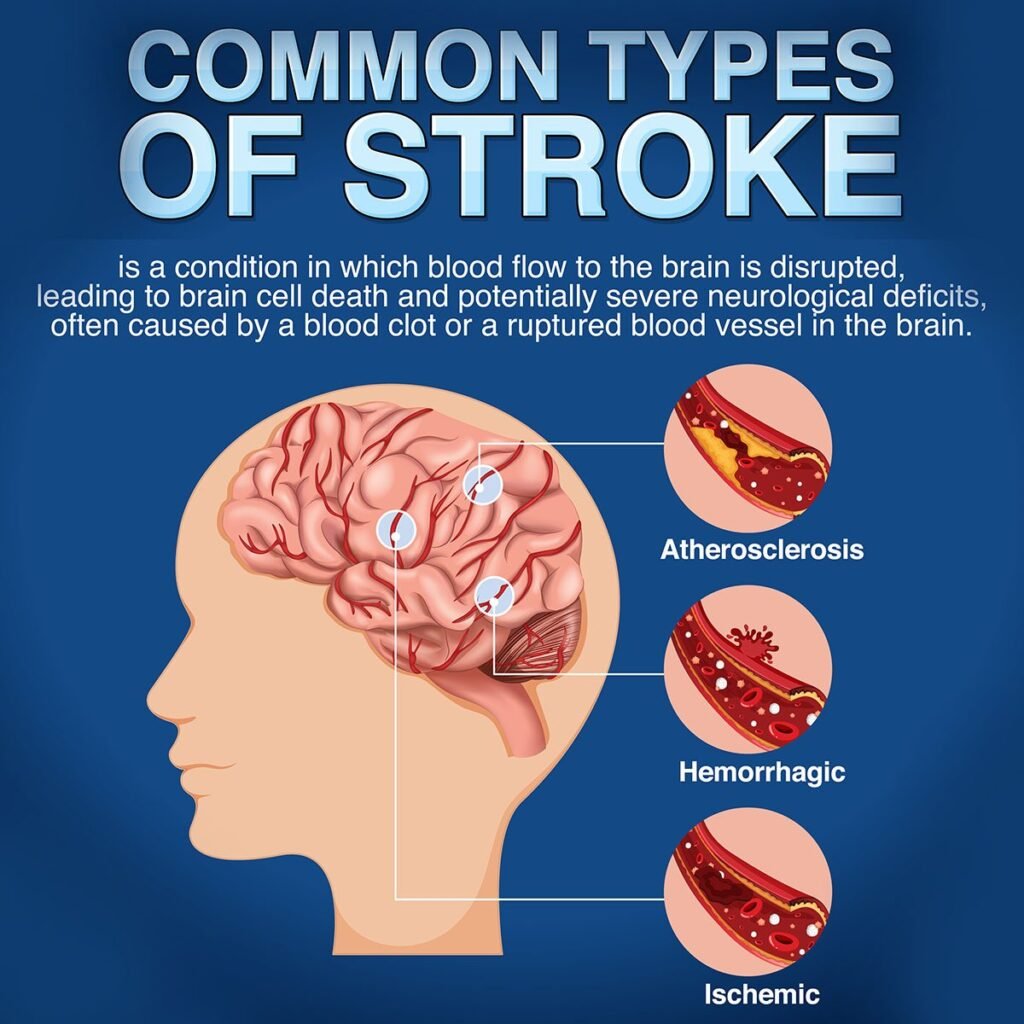
A stroke occurs when blood supply to the brain is interrupted, leading to brain cell damage. Stroke commonly results in:
- Weakness or paralysis on one side
- Speech difficulty
- Balance problems
- Loss of coordination
Physiotherapy plays a crucial role in both paralysis treatment and stroke recovery.
Causes of Paralysis and Stroke
- Brain stroke
- Spinal cord injury
- Head injury
- Nerve damage
- Brain infections
- Tumors
- Lack of oxygen to the brain
Common Symptoms
- Muscle weakness or stiffness
- Difficulty in walking
- Loss of balance and coordination
- Reduced sensation
- Difficulty in performing daily activities
- Speech and swallowing problems (in stroke patients)
Early physiotherapy helps prevent complications and speeds up recovery.
Role of Physiotherapy in Paralysis and Stroke Recovery
Physiotherapy focuses on restoring movement, preventing stiffness, improving strength, and retraining the brain and muscles.
Benefits of Physiotherapy
- Improves muscle strength and flexibility
- Enhances balance and coordination
- Prevents joint stiffness and bed sores
- Promotes nerve recovery
- Improves walking and posture
- Increases independence in daily activities
Physiotherapy Assessment
A physiotherapist assesses:
- Muscle tone and strength
- Joint mobility
- Balance and coordination
- Functional ability
- Walking pattern
Based on assessment, a personalized stroke rehabilitation physiotherapy plan is created.
Physiotherapy Treatment Techniques
1. Positioning and Bed Mobility
- Correct positioning to prevent pressure sores
- Turning and rolling exercises
- Sitting balance training
2. Range of Motion Exercises
- Passive exercises
- Active-assisted exercises
- Joint mobility exercises
These prevent stiffness and improve circulation.
3. Muscle Strengthening Exercises
- Weak muscle activation
- Resistance exercises
- Functional strengthening
4. Balance and Coordination Training
- Sitting and standing balance exercises
- Weight-shifting activities
- Gait training
5. Gait (Walking) Training
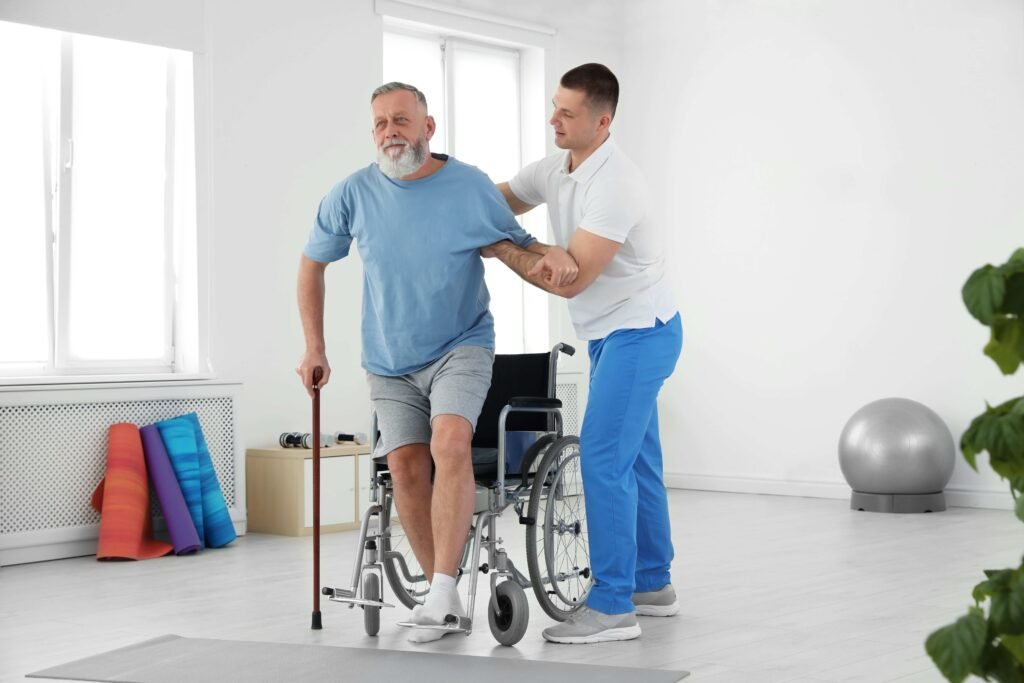
- Parallel bar walking
- Walker or cane training
- Stair climbing exercises
6. Neurofacilitation Techniques
- Bobath concept
- Proprioceptive Neuromuscular Facilitation (PNF)
- Task-oriented training
These techniques help improve brain-muscle connection.
Home Physiotherapy Exercises
- Assisted limb movements
- Bridging exercises
- Sitting to standing practice
- Finger and hand exercises
- Walking practice with support
Home physiotherapy services are highly beneficial for stroke and paralysis patients.
Precautions During Recovery
- Avoid prolonged bed rest
- Prevent falls
- Maintain correct posture
- Do exercises under guidance
- Monitor blood pressure regularly
- Maintain proper nutrition
Recovery Time with Physiotherapy
Recovery depends on:
- Severity of paralysis or stroke
- Early start of physiotherapy
- Patient motivation
- Regular therapy sessions
Some patients improve in weeks, while others may take months of consistent physiotherapy.
When to Start Physiotherapy After Stroke?
Physiotherapy should begin as early as possible, often within 24–48 hours, once the patient is medically stable. Early rehabilitation improves outcomes significantly.
Why Choose Physiotherapy for Paralysis and Stroke?
Physiotherapy offers:
- Drug-free rehabilitation
- Long-term functional improvement
- Personalized treatment plans
- Improved quality of life
Choosing an experienced physiotherapy clinic near you ensures safe and effective recovery.

Leave a Reply